
Magnetic Particle Inspection Equipment
Our Magnetic Particle Inspection Equipment is designed for accurate and reliable magnetic particle inspection of ferromagnetic materials. From portable yokes to advanced magnetic particle testing machines and magnetic particle testing kits, we offer complete magnetic particle inspection NDT solutions for detecting surface and near-surface defects in manufacturing, welding, automotive, and industrial applications.
-
Magnetic Particle Inspection Equipment
AC Magnetic Yoke Flaw Detector MY-4
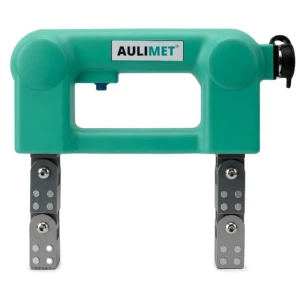
What is Magnetic Particle Inspection?
Magnetic Particle Inspection (MPI) is a widely used non-destructive testing (NDT) method for detecting surface and near-surface cracks in ferromagnetic materials such as steel and iron. During a magnetic particle test, the component is magnetized and fine magnetic particles are applied to reveal defects that may not be visible to the naked eye. Magnetic particle testing is commonly used in manufacturing, welding, automotive, aerospace, and maintenance industries to ensure product quality and safety. Modern magnetic particle testing machines make inspections faster, more accurate, and highly reliable.
How to Choose Magnetic Particle Inspection Equipment
Choosing the right Magnetic Particle Inspection equipment depends on your inspection needs. A magnetic particle testing yoke is ideal for portable field inspections, while a magnetic particle testing machine is suitable for production and laboratory use. Check that the equipment meets magnetic particle testing standards and delivers reliable defect detection. Whether you need a magnetic particle testing kit or a complete magnetic particle inspection NDT solution, the right equipment helps improve inspection accuracy, efficiency, and safety.
Buying Guide for Magnetic Yoke Flaw Detector
When buying a Magnetic Yoke Flaw Detector, first consider your inspection application and work environment. Choose an AC yoke for surface crack detection and a DC or AC/DC yoke for detecting both surface and near-surface defects. Check the lifting power, duty cycle, battery life, and compliance with magnetic particle testing standards such as ASTM E709 and ASTM E1444. A lightweight and portable magnetic particle inspection yoke is ideal for field inspections, while rugged models are better suited for industrial use. Selecting a reliable Magnetic Yoke Flaw Detector ensures accurate magnetic particle testing, improved productivity, and dependable inspection results.
Applications of Magnetic Particle Testing
Magnetic Particle Testing (MPT) is widely used to detect surface and near-surface defects in ferromagnetic materials. It is commonly applied in welding inspection, automotive manufacturing, aerospace components, oil and gas equipment, power plants, railways, foundries, and heavy engineering industries. Magnetic particle inspection helps identify cracks, seams, laps, inclusions, and other discontinuities before they lead to failures. This reliable NDT method is widely used for quality control, preventive maintenance, and safety inspections of critical components.
Understanding AC, DC, and AC/DC Magnetic Yokes
AC Magnetic Yokes
AC Magnetic Yokes use alternating current to create a magnetic field for magnetic particle inspection. They are highly effective for detecting surface cracks and defects in welds, castings, and fabricated components. AC yokes are commonly used for routine magnetic particle testing and field inspections.
DC Magnetic Yokes
DC Magnetic Yokes use direct current to generate a deeper magnetic field. This allows them to detect both surface and near-surface defects that may not be visible with AC yokes. They are widely used in critical magnetic particle inspection applications where greater inspection sensitivity is required.
AC/DC Magnetic Yokes
AC/DC Magnetic Yokes combine both inspection methods in a single instrument. Users can switch between AC mode for surface defect detection and DC mode for near-surface defect detection. These versatile magnetic yokes are ideal for magnetic particle testing across a wide range of industrial and NDT applications.
Magnetic Particle Inspection Buying Guide & FAQs
Magnetic Particle Inspection (MPI) is a non-destructive testing method used to detect surface and near-surface defects in ferromagnetic materials such as steel and iron.
In magnetic particle testing, the test object is magnetized and magnetic particles are applied to the surface. Defects create magnetic leakage fields that attract the particles, making flaws visible.
MPI can detect cracks, seams, laps, inclusions, weld defects, fatigue cracks, and other surface or near-surface discontinuities.
AC magnetic yokes are mainly used for detecting surface defects, while DC magnetic yokes can detect both surface and near-surface defects due to deeper magnetic field penetration.
A magnetic particle testing machine is equipment designed to magnetize components and perform magnetic particle inspection efficiently in production or laboratory environments.
No. Magnetic Particle Inspection is primarily used for detecting surface and near-surface defects. Deep internal defects typically require ultrasonic testing or radiographic testing.
MPI can only be used on ferromagnetic materials, including carbon steel, alloy steel, cast iron, and certain nickel and cobalt alloys.
Common magnetic particle testing standards include ASTM E709, ASTM E1444, ISO 9934, and ASME Section V.
The magnetic particle testing yoke method uses a portable magnetic yoke to create a magnetic field in the test area, making it ideal for field inspections and weld testing.